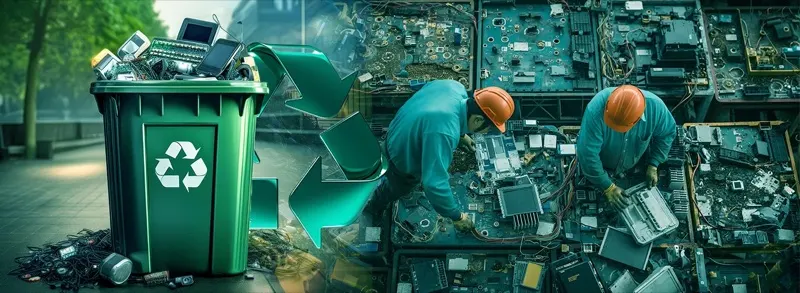
Electronic scrap means all electronic devices and equipment that have reached the end of their useful life or become defective. As technology is replaced ever faster, the amount of electronic waste grows every year. Recycling it properly protects the environment and, thanks to the valuable metals it contains, creates economic value.
This article briefly covers what electronic scrap is, its types and how the recycling process works.
What is electronic scrap?
Electronic scrap consists of computers, mobile phones, circuit boards, industrial electronic equipment, contactors, relays and similar devices. Once these products lose their function they are called "e-waste". Because they contain copper, aluminium, silver and gold they should not be thrown away. Carelessly discarded electronic waste pollutes soil, water and air.
Types of electronic scrap
During recycling, scrap is sorted into categories; each has a different economic value and processing method.
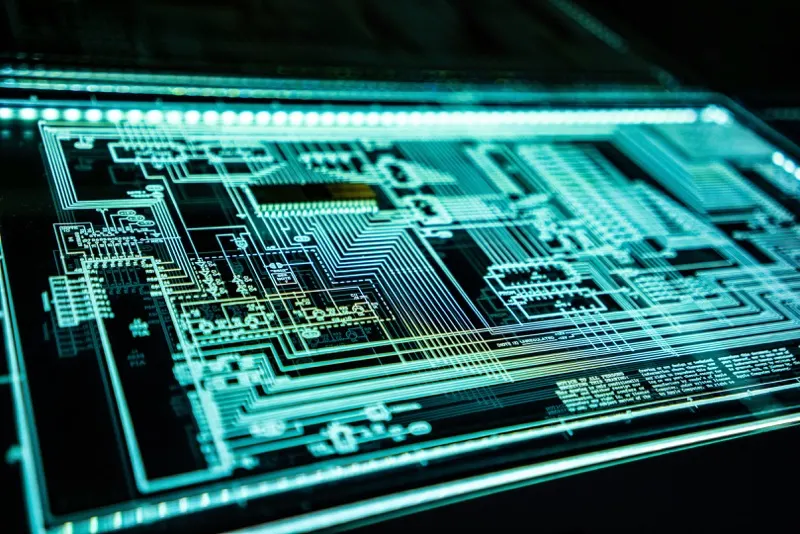
Circuit board scrap
Computer boards, motherboards, server boards and industrial control boards. With a high content of valuable metals, they are among the most valuable types of electronic scrap.
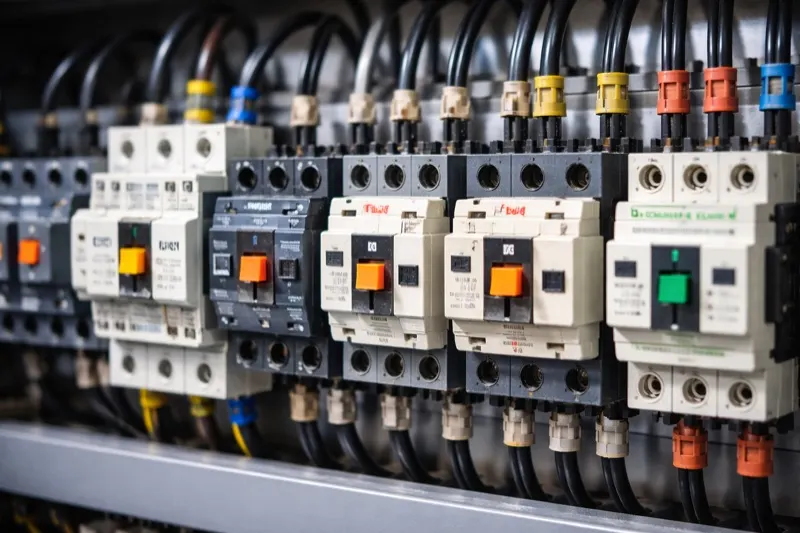
Industrial electrical scrap
Equipment from factories:
- Contactors
- Relays
- Circuit breakers
- PLC and automation equipment
These are usually traded by the tonne and play an important role in industrial recycling.
Consumer electronics
- Computers
- Televisions
- Mobile phones
- Printers and small household appliances
Lower in metal content, but valuable in large volumes.
Cable scrap
Cables from electronic systems hold an important place in recycling thanks to their copper content.
How does the recycling process work?
The process has several key stages and should be carried out by professionals.
1. Collection and sorting
Scrap is collected from its source (home, workplace, factory) and sorted by type.
2. Evaluation
The type, quantity and metal content are determined. A preliminary evaluation from photos gives a big advantage for quick pricing.
3. Shredding and separation
Large scrap is shredded; metal, plastic and glass are separated. This is one of the most critical stages.
4. Recovery
The separated metals are processed back into raw materials, reducing the consumption of natural resources.
Why electronic scrap recycling matters
- Conserves natural resources
- Saves energy
- Reduces pollution
- Adds value to the economy
Heavy metals in unrecycled electronic scrap leach into soil and groundwater, posing long-term risks to human health.
Conclusion
Electronic scrap recycling is an inevitable necessity of the modern world. Proper handling at individual and corporate level protects the environment and creates economic value. Instead of binning your scrap, bring it into a professional recycling process, and read how prices are determined.
Send a photo and we will work out the type and value together.
Get a Quote on WhatsApp