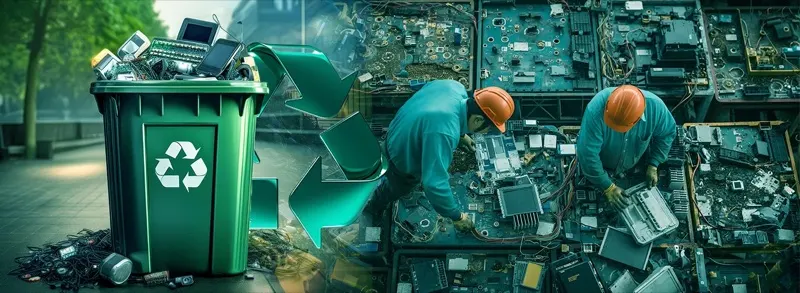
Contactor, relay and switch scrap is among the most valuable electronic waste generated by industrial facilities, factories and electrical panels. Thanks to the silver, copper and other conductive metals they contain, these components hold high economic value in recycling.
What is contactor, relay and switch scrap?
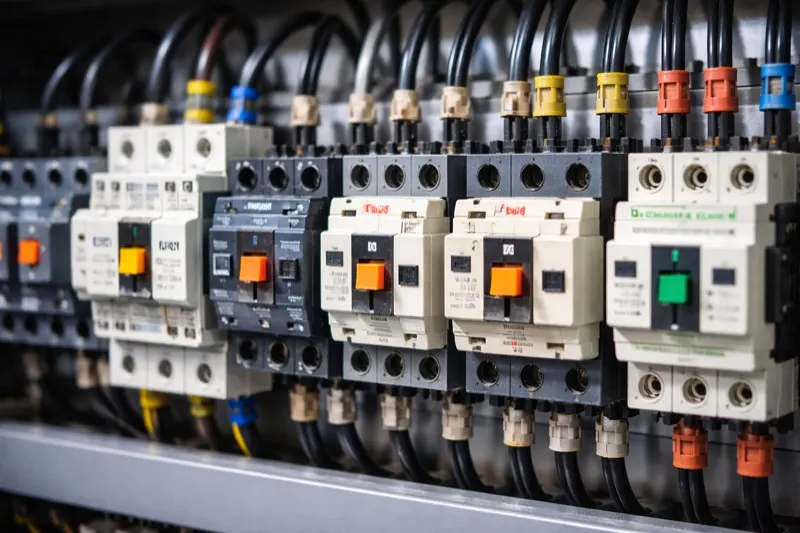
Contactors, relays and switches are industrial electrical components that control current and perform switching and protection functions. When they reach the end of their service life or are replaced during upgrades, they become electronic scrap. They typically come from:
- Electrical panels
- Factory automation systems
- Industrial machinery
They are usually traded in bulk.
Why are they valuable?
The main reason is the high recycling potential of the metals they contain. The most common:
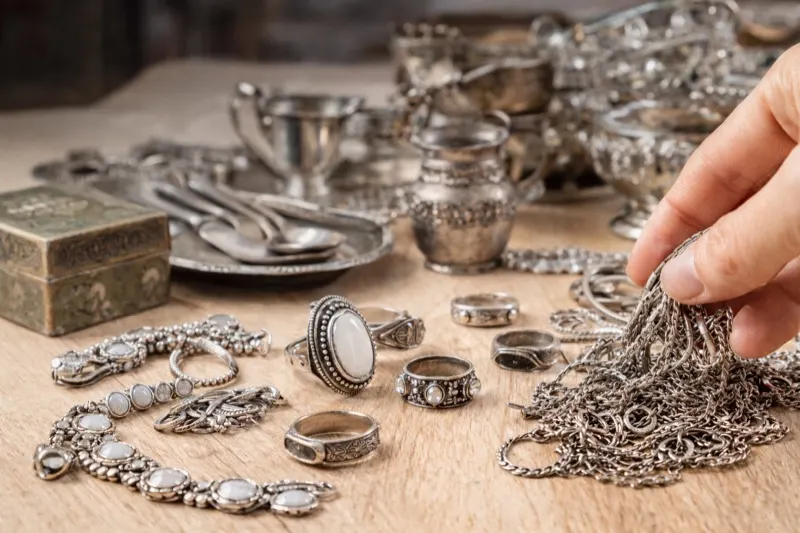
- Silver
- Copper
- Brass
- Aluminium
Contactors and relays with a high silver content are valued higher.
How are they separated?
Separation directly affects recycling value. First, contactors, relays and switches are separated from other scrap and their brand, model and type identified. Then:
- Plastic and metal parts are separated
- Silver contacts are identified
- Copper-containing coils are removed
The recycling process
1. Collection
Scrap is collected on site from facilities and factories; bulk purchases bring logistical advantages.
2. Evaluation
Type, quantity and metal content are determined. A preliminary evaluation from photos is often preferred for quick pricing.
3. Recovery
The separated metals are processed at recycling facilities and turned back into raw materials.
How is the price determined?
- Silver and copper content
- Brand and model
- Total quantity (tonnage)
- Current metal market prices
Contactors with a particularly high silver content are valued higher depending on market conditions. For the general pricing logic see how electronic scrap prices are determined.
Environmental benefits
- Natural resources are conserved
- Energy is saved
- The amount of electronic waste is reduced
- Pollution is prevented
Conclusion
Properly separated and recycled, contactor, relay and switch scrap delivers high value. Selling your industrial scrap through a reliable company brings both a return and a contribution to a sustainable future.
Send overview photos and the rough weight; we quote for tonnage purchases.
Get a Quote on WhatsApp